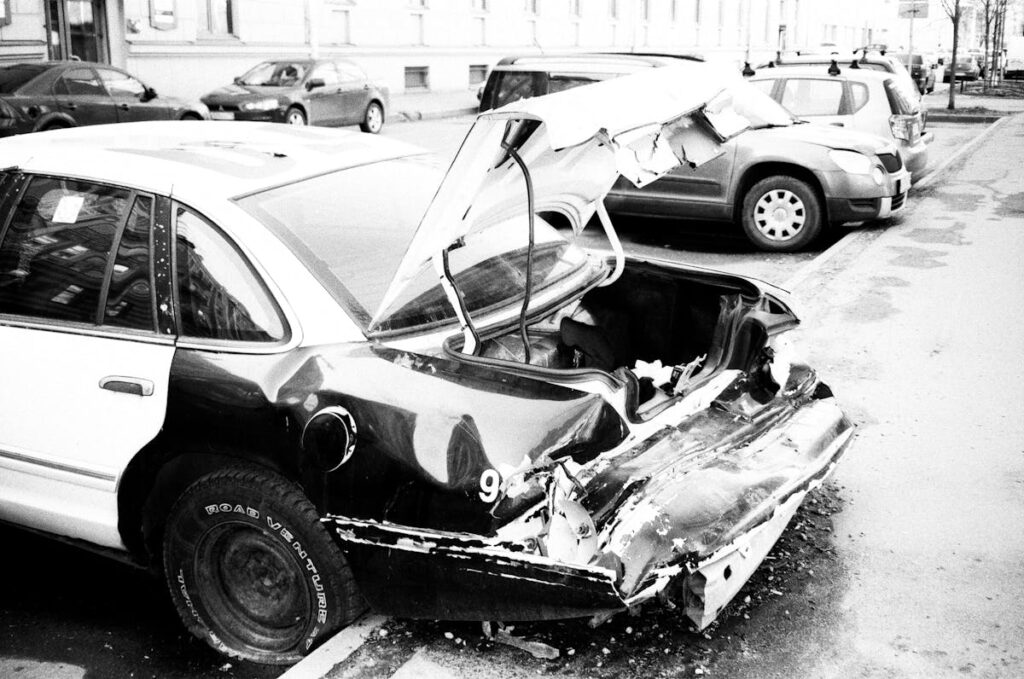
Hit-and-run accidents leave victims feeling helpless and frustrated. In Phoenix, these crashes occur daily—drivers flee the scene to avoid responsibility, leaving injured people without answers or compensation. However, Arizona law provides several avenues for recovery, even when the at-fault driver is never identified.
Phoenix Hit-and-Run Statistics: A Growing Problem
Hit-and-run accidents have become increasingly common in the Phoenix metropolitan area. These crashes often occur on busy corridors like I-10, Loop 101, and major surface streets during rush hour. The anonymity of heavy traffic and the fear of consequences drive many at-fault drivers to flee.
Common locations for Phoenix hit-and-run accidents include:
- Interstate highways: I-10, I-17, Loop 101, and Loop 202 where high speeds make identification difficult
- Downtown Phoenix: Congested streets with multiple escape routes
- Parking lots: Shopping centers, grocery stores, and apartment complexes
- Residential neighborhoods: Especially late at night when visibility is poor
- Intersection accidents: Red light runners who flee before witnesses can react
Arizona Hit-and-Run Laws and Penalties
Arizona takes hit-and-run accidents seriously. Under A.R.S. § 28-661, drivers involved in accidents must:
- Stop immediately at the scene
- Provide name, address, and vehicle registration
- Show driver’s license upon request
- Render reasonable assistance to injured persons
- Notify law enforcement if anyone is injured
Criminal Penalties for Fleeing
Leaving the scene of an accident in Arizona carries severe consequences:
- Property damage only: Class 3 misdemeanor (up to 30 days jail, $500 fine)
- Injury to another person: Class 5 felony (up to 2.5 years prison)
- Serious injury or death: Class 3 felony (up to 8.75 years prison)
- License suspension: Automatic suspension for leaving injury accidents
What to Do Immediately After a Hit-and-Run
The moments after a hit-and-run are critical for both your safety and your legal claim. Taking the right steps can make the difference between recovering compensation and being left with unpaid bills.
Step 1: Prioritize Safety
- Move to a safe location if possible
- Turn on hazard lights
- Check yourself and passengers for injuries
- Call 911 immediately—both for medical help and police report
Step 2: Gather Evidence
Every detail matters when the at-fault driver has fled:
- Vehicle description: Make, model, color, approximate year
- License plate: Even a partial plate number helps significantly
- Direction of travel: Which way the vehicle went after impact
- Driver description: Gender, approximate age, distinctive features
- Damage to other vehicle: Location and severity of visible damage
- Time and location: Exact intersection or mile marker
Step 3: Find Witnesses
Witnesses are crucial in hit-and-run cases:
- Ask anyone who saw the accident for their contact information
- Request nearby businesses for security camera footage
- Check for residential doorbell cameras (Ring, Nest, etc.)
- Look for dash cam footage from other vehicles
- Note any traffic cameras at the intersection
Step 4: Document Everything
- Take photos of all vehicle damage from multiple angles
- Photograph the accident scene, including skid marks and debris
- Document visible injuries
- Get photos of traffic signs, signals, and road conditions
- Save all medical records and bills
Step 5: File a Police Report
A police report is essential for hit-and-run claims. Phoenix Police Department will:
- Document the accident details
- Interview witnesses
- Search for the fleeing vehicle
- Investigate using traffic cameras and other evidence
- Issue a report number you’ll need for insurance claims
How to Recover Compensation When the Driver Isn’t Found
Many hit-and-run victims assume they have no options if the at-fault driver is never identified. This is not true. Arizona law provides several paths to compensation.
Option 1: Uninsured Motorist Coverage
Your own auto insurance policy likely includes uninsured motorist (UM) coverage, which applies to hit-and-run accidents. In Arizona, insurance companies must offer UM coverage, though you can decline it in writing.
What UM coverage pays for:
- Medical expenses and hospital bills
- Lost wages and future earning capacity
- Pain and suffering
- Permanent disability or disfigurement
- Property damage (if you have collision coverage)
Important UM coverage requirements:
- You must report the accident to police within a reasonable time
- You must notify your insurance company promptly
- The hit-and-run driver must remain unidentified
- You must cooperate with your insurer’s investigation
Option 2: Collision Coverage
If you have collision coverage, it will pay for vehicle repairs regardless of fault. This applies even in hit-and-run cases where the other driver is never found.
Key points about collision coverage:
- You’ll pay your deductible (typically $500-$1,000)
- Your rates may increase, though some insurers waive this for hit-and-runs
- Coverage applies up to your vehicle’s actual cash value
- Rental car reimbursement may be included
Option 3: Medical Payments Coverage (MedPay)
MedPay is optional coverage that pays medical expenses regardless of fault. It covers:
- Emergency room visits
- Ambulance transportation
- Surgery and hospitalization
- Follow-up medical care
- Rehabilitation and physical therapy
MedPay pays quickly without requiring you to prove the other driver’s fault, making it valuable in hit-and-run cases.
Hit by a Driver Who Fled the Scene?
Don’t assume you have no options. Contact Shapiro Injury Law for a free consultation. Our experienced Arizona attorneys will review your insurance coverage, investigate your accident, and fight for maximum compensation. No fees unless we win.
What If the Hit-and-Run Driver Is Later Identified?
Phoenix Police Department actively investigates hit-and-run accidents, especially those involving injuries. If the fleeing driver is later identified, you have additional options:
Criminal Restitution
If the driver is criminally prosecuted, the court may order restitution as part of sentencing. This can include:
- Medical expenses
- Property damage
- Lost wages
- Other economic losses
However, restitution is limited to economic damages and doesn’t include pain and suffering.
Civil Lawsuit
You can file a personal injury lawsuit against the identified driver to recover:
- All medical expenses (past and future)
- Lost wages and diminished earning capacity
- Property damage
- Pain and suffering
- Emotional distress
- Punitive damages (in cases of extreme recklessness)
Recovery from Both Insurance and Driver
If you’ve already received payment from your UM coverage, you may still pursue the at-fault driver. However, you cannot “double recover” for the same damages. Your insurance company may have a subrogation right to recover what they paid from the at-fault driver.
Common Insurance Company Tactics in Hit-and-Run Claims
Even though you’re dealing with your own insurance company, they may still try to minimize your claim:
Tactic 1: Questioning Whether It Was Really a Hit-and-Run
What they do: Suggest you might have hit a stationary object or caused the accident yourself.
How to counter: Provide police report, witness statements, and photos showing impact consistent with another vehicle.
Tactic 2: Claiming You Didn’t Report Promptly
What they do: Argue you waited too long to report the accident.
How to counter: Document when you called police and notified your insurer. “Reasonable time” depends on circumstances—immediate medical treatment is a valid reason for delay.
Tactic 3: Lowballing Injury Claims
What they do: Offer quick settlements before you know the full extent of injuries.
How to counter: Don’t accept initial offers. Wait until you’ve completed treatment and understand long-term impacts.
Tactic 4: Disputing Medical Necessity
What they do: Claim some treatments weren’t necessary or related to the accident.
How to counter: Maintain detailed medical records showing how each treatment relates to accident injuries.
Time Limits for Hit-and-Run Claims in Arizona
Different deadlines apply depending on your claim type:
Insurance Claims
- Notification: Report to your insurer “as soon as practicable” (typically within days)
- UM claim: Check your policy—often 1-2 years from accident date
- Collision claim: Usually must file within 1 year
Lawsuit Against Identified Driver
- Personal injury: 2 years from accident date (A.R.S. § 12-542)
- Property damage: 2 years from accident date (A.R.S. § 12-542)
- Wrongful death: 2 years from date of death (A.R.S. § 12-542)
Important: Don’t wait until deadlines approach. Evidence disappears, witnesses forget details, and insurance companies become less cooperative over time.
Special Considerations for Phoenix Hit-and-Run Cases
Pedestrian Hit-and-Runs
Pedestrians hit by fleeing drivers face unique challenges:
- Often unable to get vehicle information due to injuries
- May not have auto insurance with UM coverage
- Can potentially claim under household member’s auto policy
- May have health insurance to cover immediate medical needs
Bicycle and Motorcycle Hit-and-Runs
Cyclists and motorcyclists are particularly vulnerable:
- Higher likelihood of serious injuries
- Drivers may not realize they hit a cyclist
- Helmet cameras can provide crucial evidence
- UM coverage under motorcycle or auto policy applies
Parking Lot Hit-and-Runs
Parking lot hit-and-runs are extremely common but often go unreported:
- Security cameras may capture the incident
- Witnesses may have seen the vehicle
- Paint transfer can help identify vehicle type
- Property owner may have liability if inadequate lighting contributed
How Attorneys Help with Hit-and-Run Claims
Hit-and-run cases are complex, especially when dealing with your own insurance company. An experienced attorney can:
Investigation
- Hire private investigators to locate the fleeing driver
- Obtain traffic camera and security footage
- Interview witnesses and locate additional witnesses
- Work with accident reconstruction experts
- Coordinate with Phoenix Police Department investigation
Insurance Negotiations
- Review your policy to maximize available coverage
- Handle all communications with insurance adjusters
- Document the full extent of your damages
- Negotiate fair settlements for injuries and property damage
- File bad faith claims if insurers act unreasonably
Legal Action
- File lawsuits against identified drivers
- Pursue uninsured motorist arbitration if necessary
- Litigate bad faith insurance claims
- Seek punitive damages in appropriate cases
Frequently Asked Questions
Can I still file a claim if I didn’t get the license plate number?
Yes. While a license plate helps identify the driver, you can still file a UM claim with your insurance company without it. Provide as much information as possible about the vehicle, driver, and circumstances. Witness statements and any partial plate information strengthen your claim.
What if the hit-and-run driver had no insurance?
Your uninsured motorist coverage applies whether the at-fault driver is never found or is later identified but has no insurance. This is exactly what UM coverage is designed for. You can recover compensation from your own policy up to your UM coverage limits.
Will my insurance rates go up if I file a hit-and-run claim?
Arizona law prohibits insurers from raising rates solely because you were the victim of a hit-and-run accident. However, if you file a collision claim, some insurers may increase rates. Review your policy or consult an attorney before filing to understand potential impacts.
How long does Phoenix Police investigate hit-and-run accidents?
Investigation duration varies based on injury severity and available evidence. Cases with serious injuries receive priority and may remain active for months or years. Property-damage-only cases typically receive less investigative resources. However, even years later, new evidence can lead to identification.
Can I offer a reward to help find the hit-and-run driver?
Yes. Many victims offer rewards for information leading to identification of the fleeing driver. Silent Witness (480-WITNESS) accepts anonymous tips about Phoenix-area crimes, including hit-and-runs. Local media may also publicize your case, increasing chances of identification.
What if the hit-and-run happened in a parking lot with no witnesses?
Parking lot hit-and-runs are challenging but not hopeless. Check with the property owner for security camera footage. Look for nearby businesses with cameras pointing toward the lot. Post on neighborhood social media groups—someone may have seen something. Even without identifying the driver, your collision coverage should pay for repairs.
Contact Shapiro Injury Law today for a free consultation. Our experienced Arizona personal injury attorneys will evaluate your hit-and-run case, review your insurance coverage, and fight for the maximum compensation you deserve. We handle all types of hit-and-run accidents throughout Phoenix, Scottsdale, Mesa, Tempe, and surrounding areas. No fees unless we win.