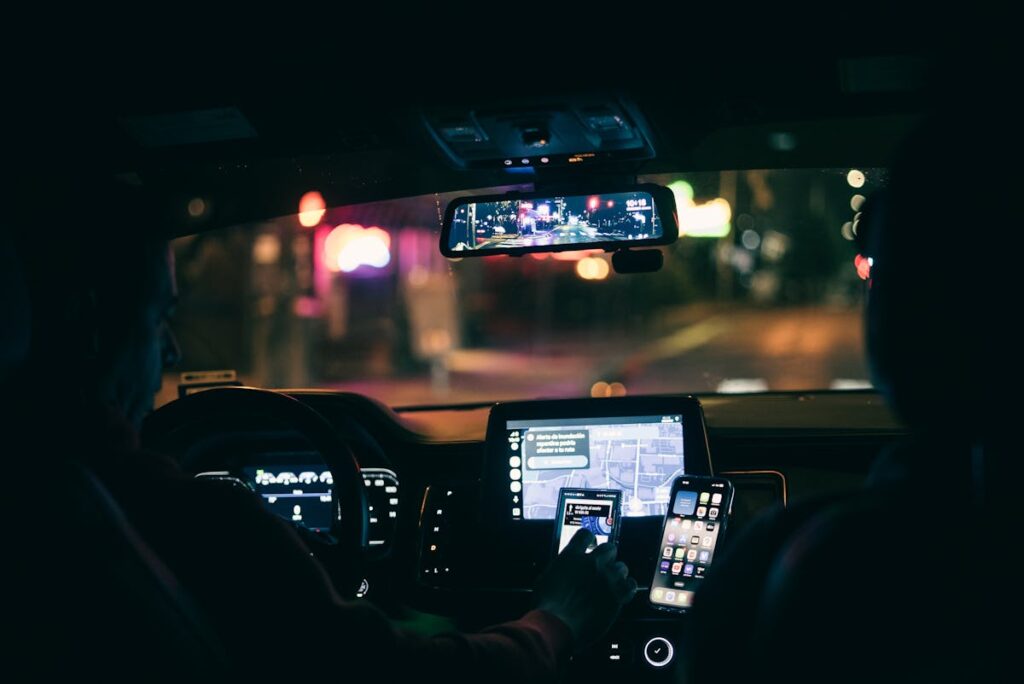
Rideshare accidents involving Uber and Lyft create complex liability questions that don’t exist in traditional car accidents. Who pays when you’re injured—the driver, the rideshare company, or your own insurance? The answer depends on what the driver was doing at the exact moment of the crash, and navigating these claims requires understanding Arizona law and rideshare company policies.
The Growth of Rideshare Accidents in Phoenix
Phoenix has embraced rideshare services, with thousands of Uber and Lyft drivers operating throughout the Valley. Sky Harbor Airport, downtown Phoenix, Scottsdale’s entertainment districts, and ASU’s Tempe campus see particularly heavy rideshare traffic.
This growth has led to increased accidents involving rideshare vehicles:
- Distracted driving: Drivers checking apps for new ride requests
- Unfamiliar routes: Out-of-area drivers navigating Phoenix streets
- Fatigue: Drivers working long hours to maximize earnings
- Passenger distractions: Dealing with intoxicated or difficult passengers
- Frequent stops: Pulling over suddenly for pickups and drop-offs
Understanding Rideshare Insurance Coverage Periods
The key to rideshare liability is understanding which insurance applies at the time of the accident. Both Uber and Lyft use a three-period system that determines coverage:
Period 0: App Off (Driver’s Personal Insurance)
When it applies: Driver’s app is off, not working for Uber/Lyft
Coverage: Driver’s personal auto insurance only
Rideshare company liability: None—this is a regular car accident
Important note: Many personal auto policies exclude coverage when the vehicle is used for commercial purposes, creating potential gaps.
Period 1: App On, Waiting for Request (Limited Rideshare Coverage)
When it applies: Driver has app on and is available but hasn’t accepted a ride request
Uber/Lyft contingent coverage:
- $50,000 per person for bodily injury
- $100,000 per accident for bodily injury
- $25,000 for property damage
Key limitation: This coverage only applies if the driver’s personal insurance denies the claim. It’s “contingent” or secondary coverage.
Period 2: Request Accepted, En Route to Passenger (Full Rideshare Coverage)
When it applies: Driver has accepted a ride request and is driving to pick up the passenger
Uber/Lyft primary coverage:
- $1 million liability coverage per accident
- $1 million uninsured/underinsured motorist coverage
- Comprehensive and collision coverage (if driver has it personally)
This is primary coverage: It applies first, before the driver’s personal insurance.
Period 3: Passenger in Vehicle (Full Rideshare Coverage)
When it applies: Passenger is in the vehicle until they exit at their destination
Coverage: Same as Period 2—$1 million liability and UM/UIM coverage
Additional protection: Passengers are covered regardless of fault
Who Can Be Injured in Rideshare Accidents?
Rideshare accidents can injure multiple parties, each with different claims:
Passengers in the Rideshare Vehicle
If you’re a passenger in an Uber or Lyft that crashes, you have strong protection:
- Covered by $1 million rideshare policy regardless of who caused the accident
- Can claim against the rideshare driver if they caused the crash
- Can claim against other drivers if they were at fault
- Protected even if the rideshare driver was entirely at fault
Drivers and Passengers in Other Vehicles
If a rideshare vehicle hits your car:
- Period 2 or 3: Uber/Lyft’s $1 million policy covers your injuries
- Period 1: May need to pursue driver’s personal insurance first
- Period 0: Driver’s personal insurance applies (rideshare company not liable)
Pedestrians and Cyclists
Pedestrians and cyclists hit by rideshare vehicles can claim:
- Against the rideshare company’s policy if driver was in Period 2 or 3
- Against the driver’s personal insurance in Period 0
- Potentially against both in Period 1, depending on circumstances
Rideshare Drivers Themselves
Rideshare drivers injured by other vehicles face unique challenges:
- Personal auto insurance may deny claims due to commercial use
- Uber/Lyft coverage depends on which period they were in
- May need to claim against the at-fault driver’s insurance
- Workers’ compensation typically doesn’t apply (drivers are independent contractors)
Injured in an Uber or Lyft Accident?
Rideshare accident claims are complex, with multiple insurance companies involved. Contact Shapiro Injury Law for a free consultation. Our Arizona attorneys will investigate your accident, identify all available insurance coverage, and fight for maximum compensation. No fees unless we win.
Common Causes of Rideshare Accidents in Phoenix
Distracted Driving
Rideshare drivers face unique distractions:
- Checking the app for new ride requests
- Following GPS navigation
- Communicating with passengers through the app
- Dealing with passenger conversations or requests
- Looking for addresses in unfamiliar neighborhoods
Dangerous Pickup and Drop-Off Maneuvers
Many accidents occur during pickups and drop-offs:
- Sudden stops in traffic lanes
- Pulling over without checking blind spots
- Double-parking on busy streets
- Stopping in no-parking zones
- Passengers opening doors into traffic
Driver Fatigue
Rideshare drivers often work long hours:
- Driving during peak hours (late nights, weekends)
- Working multiple platforms simultaneously
- Insufficient rest between shifts
- Driving while drowsy to maximize earnings
Inexperienced or Unfamiliar Drivers
Not all rideshare drivers know Phoenix well:
- Out-of-state drivers unfamiliar with local roads
- New drivers still learning navigation
- Confusion at complex intersections
- Difficulty with Phoenix’s grid system and numbered streets
Impaired or Intoxicated Passengers
Passengers, especially late at night, can cause accidents:
- Grabbing the steering wheel
- Distracting the driver
- Causing the driver to make sudden maneuvers
- Opening doors while the vehicle is moving
Determining Liability in Arizona Rideshare Accidents
Multiple parties may share liability in rideshare accidents:
The Rideshare Driver
Drivers can be liable for:
- Negligent driving (speeding, running red lights, etc.)
- Distracted driving
- Driving while fatigued
- Failing to maintain their vehicle
- Violating traffic laws
Uber or Lyft
The rideshare companies may be liable for:
- Negligent hiring (failing to properly screen drivers)
- Inadequate training
- Failing to enforce safety policies
- App design that encourages distracted driving
- Pressure to accept rides that leads to unsafe driving
Important: Uber and Lyft classify drivers as independent contractors, not employees. This limits direct liability but doesn’t eliminate it entirely.
Other Drivers
Third-party drivers can cause rideshare accidents:
- Running red lights and hitting rideshare vehicles
- Rear-ending rideshare vehicles during stops
- Failing to yield to rideshare vehicles
- Distracted or impaired driving
Vehicle Manufacturers
Defective vehicles can contribute to accidents:
- Brake failures
- Tire defects
- Steering problems
- Airbag failures
Passengers
In rare cases, passengers may share liability:
- Grabbing the steering wheel
- Assaulting the driver
- Creating dangerous distractions
- Opening doors into traffic
Steps to Take After a Rideshare Accident
Immediate Actions at the Scene
- Check for injuries: Call 911 if anyone is hurt
- Move to safety: Get out of traffic if possible
- Call police: Get an official accident report
- Document the ride: Screenshot the Uber/Lyft app showing driver info and trip details
- Take photos: Vehicle damage, scene, license plates, driver’s license
- Get driver information: Name, phone, insurance, license plate
- Identify witnesses: Get contact information from anyone who saw the accident
- Note which period: Was the driver waiting for requests, en route, or carrying passengers?
Within 24 Hours
- Seek medical attention: Even if you feel fine—some injuries appear later
- Report through the app: Use Uber or Lyft’s in-app accident reporting
- Notify your insurance: Report the accident to your own insurer
- Save all documentation: Trip receipts, medical records, photos
- Don’t give recorded statements: Especially to the rideshare company’s insurer
Before Accepting Any Settlement
- Understand the full extent of your injuries
- Calculate all medical expenses (past and future)
- Document lost wages and earning capacity
- Consider long-term impacts
- Consult with an attorney before signing anything
Common Insurance Company Tactics in Rideshare Claims
Tactic 1: Disputing Which Period the Driver Was In
What they do: Claim the driver was in Period 1 (limited coverage) when they were actually in Period 2 (full coverage).
How to counter: Uber and Lyft track driver status electronically. Your attorney can subpoena app data showing exactly when the driver accepted the ride request.
Tactic 2: Blaming the Passenger
What they do: Argue the passenger distracted the driver or caused the accident.
How to counter: Drivers have a duty to maintain control regardless of passenger behavior. Police reports and witness statements can refute these claims.
Tactic 3: Claiming the Driver’s Personal Insurance Applies
What they do: Try to shift liability to the driver’s personal policy, which likely has lower limits.
How to counter: If the driver was in Period 2 or 3, Uber/Lyft’s policy is primary. Your attorney can establish this through app records.
Tactic 4: Quick Low-Ball Settlements
What they do: Offer fast settlements before you know the full extent of injuries.
How to counter: Never accept initial offers. Wait until you’ve completed treatment and understand long-term impacts.
Tactic 5: Requiring Binding Arbitration
What they do: Point to arbitration clauses in user agreements.
How to counter: Arizona law limits enforceability of some arbitration clauses, especially for personal injury claims. An attorney can challenge these provisions.
Compensation Available in Rideshare Accident Cases
Victims of rideshare accidents can recover various types of damages:
Economic Damages
- Medical expenses: Emergency care, surgery, hospitalization, physical therapy
- Future medical costs: Ongoing treatment, rehabilitation, assistive devices
- Lost wages: Time off work for recovery and medical appointments
- Lost earning capacity: Reduced ability to earn income due to permanent injuries
- Property damage: Vehicle repairs or replacement
- Transportation costs: Uber/Lyft rides to medical appointments, rental cars
Non-Economic Damages
- Pain and suffering: Physical pain from injuries
- Emotional distress: Anxiety, depression, PTSD from the accident
- Loss of enjoyment of life: Inability to participate in activities you once enjoyed
- Disfigurement and scarring: Permanent physical changes
- Loss of consortium: Impact on relationships with spouse and family
Punitive Damages
In cases of extreme recklessness or intentional misconduct:
- Drunk or drugged driving
- Excessive speeding or street racing
- Intentional harmful acts
- Gross negligence by the rideshare company
Special Issues in Arizona Rideshare Accident Cases
Comparative Negligence
Arizona follows comparative negligence rules. If you’re partially at fault, your compensation is reduced by your percentage of fault. For example:
- You’re 20% at fault: Recover 80% of damages
- You’re 50% at fault: Recover 50% of damages
- You’re 99% at fault: Still recover 1% of damages
Multiple Insurance Policies
Rideshare accidents often involve multiple insurance policies:
- Rideshare company’s commercial policy
- Driver’s personal auto insurance
- Your own auto insurance (UM/UIM coverage)
- Other drivers’ insurance policies
An experienced attorney can identify all available coverage and maximize your recovery.
Statute of Limitations
In Arizona, you generally have 2 years from the accident date to file a personal injury lawsuit. However:
- Insurance claims should be filed much sooner
- Evidence disappears over time
- Witnesses forget details
- Rideshare companies may delete app data
Don’t wait—contact an attorney as soon as possible after your accident.
Why Rideshare Accident Cases Require Experienced Attorneys
Rideshare accidents are more complex than typical car accidents:
Multiple Insurance Companies
- Navigating three or more insurance policies
- Determining which coverage applies
- Coordinating between insurers
- Maximizing recovery from all sources
Technology and Evidence
- Subpoenaing app data from Uber/Lyft
- Obtaining GPS and timestamp records
- Preserving electronic evidence before deletion
- Analyzing driver ratings and complaint history
Corporate Defendants
- Uber and Lyft have teams of lawyers
- They aggressively defend claims
- They use arbitration clauses to limit liability
- They have resources to fight cases
Complex Liability Issues
- Independent contractor vs. employee status
- Vicarious liability arguments
- Negligent hiring and supervision claims
- Product liability for app design
Frequently Asked Questions
Does Uber or Lyft’s insurance cover me if I’m a passenger?
Yes. If you’re a passenger in an Uber or Lyft, you’re covered by the company’s $1 million liability policy regardless of who caused the accident. This coverage applies from the moment you enter the vehicle until you exit at your destination.
What if the rideshare driver’s personal insurance denies my claim?
If the driver was in Period 2 or 3 (ride accepted or passenger in vehicle), Uber/Lyft’s commercial policy is primary and should cover your claim. If the driver was in Period 1 (app on, waiting for request), the rideshare company’s contingent coverage applies after the personal policy denies the claim.
Can I sue Uber or Lyft directly for my injuries?
Yes, but it’s complicated. Uber and Lyft classify drivers as independent contractors, limiting direct liability. However, you can pursue claims for negligent hiring, inadequate training, or dangerous app design. More commonly, you’ll claim against their insurance policies rather than suing the companies directly.
How long do I have to report a rideshare accident?
Report the accident through the Uber or Lyft app within 24 hours if possible. You must also notify your own insurance company promptly (check your policy for specific deadlines). For legal claims, Arizona’s 2-year statute of limitations applies, but don’t wait—evidence disappears quickly.
What if the rideshare driver was using multiple apps at once?
Many drivers run Uber and Lyft simultaneously. This can create coverage disputes about which company’s insurance applies. Your attorney can investigate app records to determine which platform the driver was actively working for at the time of the accident.
Can I still recover compensation if I was drunk when the accident happened?
Yes. Your intoxication doesn’t automatically bar recovery, especially if you were a passenger. However, if your intoxication contributed to the accident (for example, by distracting the driver), your compensation may be reduced under Arizona’s comparative negligence rules.
Contact Shapiro Injury Law today for a free consultation. Our experienced Arizona personal injury attorneys understand the complexities of rideshare accident claims. We’ll investigate your accident, deal with multiple insurance companies, and fight for maximum compensation. We handle Uber and Lyft accident cases throughout Phoenix, Scottsdale, Tempe, Mesa, and all of Maricopa County. No fees unless we win.