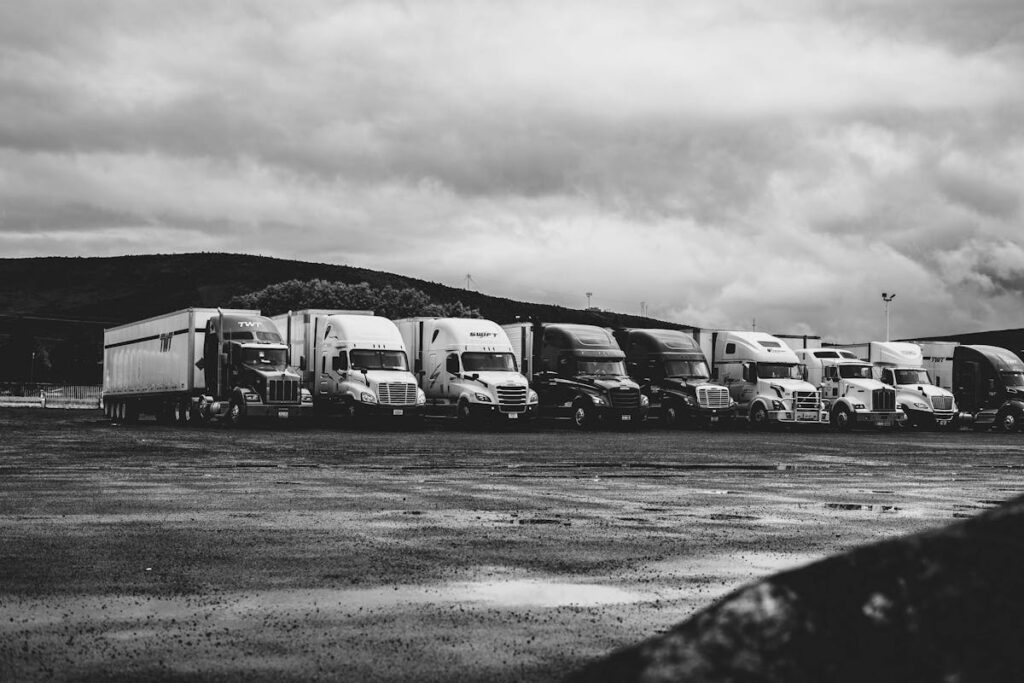
Interstate 10 through Phoenix is one of Arizona’s most dangerous corridors for commercial truck accidents. This major freight route connects California to Texas, carrying thousands of semi-trucks daily through the Valley. When these massive vehicles crash, the results are often catastrophic—severe injuries, wrongful deaths, and complex legal battles against well-funded trucking companies and their insurers.
Why I-10 Is Particularly Dangerous for Truck Accidents
Several factors make I-10 through Phoenix especially hazardous for truck traffic:
High Volume of Commercial Traffic
- Major freight corridor: I-10 is a primary route for goods moving between California ports and eastern markets
- 24/7 truck traffic: Commercial vehicles travel at all hours, including peak commute times
- Mix of local and long-haul trucks: Delivery trucks and cross-country semis share the same lanes
- Distribution centers: Phoenix’s logistics hubs generate constant truck traffic
Dangerous Road Conditions
- Construction zones: Ongoing I-10 widening projects create narrow lanes and sudden merges
- Dust storms: Arizona’s monsoon season brings zero-visibility haboobs
- Extreme heat: Summer temperatures cause tire blowouts and brake failures
- Heavy congestion: Stop-and-go traffic during rush hours
- Complex interchanges: The Stack, Mini Stack, and other multi-level exchanges
High-Risk Sections of I-10
Certain stretches see disproportionately high truck accident rates:
- The Stack (I-10/I-17 interchange): Complex merging and lane changes
- Downtown Phoenix corridor: Heavy traffic and frequent exits
- Tempe/Chandler area: High speeds combined with congestion
- West Phoenix near Buckeye: Long straightaways where trucks build excessive speed
- Papago Freeway section: Elevated roadway with limited shoulders
Common Causes of I-10 Truck Accidents
Driver Fatigue
Truck driver fatigue is a leading cause of I-10 accidents:
- Hours of service violations: Drivers exceeding federal limits on driving time
- Falsified logbooks: Electronic logging device (ELD) tampering
- Pressure from employers: Unrealistic delivery schedules forcing drivers to skip rest
- Sleep disorders: Untreated sleep apnea and other conditions
- Overnight driving: Fighting natural circadian rhythms
Federal regulations require:
- Maximum 11 hours driving after 10 consecutive hours off duty
- Maximum 14-hour work window
- 30-minute break after 8 hours driving
- Maximum 60/70 hours in 7/8 consecutive days
Speeding and Aggressive Driving
Commercial trucks traveling too fast for conditions cause devastating crashes:
- Exceeding speed limits: Trying to make up time on long hauls
- Too fast for traffic: Not adjusting speed in congestion
- Following too closely: Tailgating passenger vehicles
- Unsafe lane changes: Cutting off other vehicles
- Failure to slow in construction zones: Ignoring reduced speed limits
Distracted Driving
Truck drivers face numerous distractions on long I-10 hauls:
- Cell phone use: Texting, calling, or browsing despite federal bans
- GPS and navigation: Programming devices while driving
- Eating and drinking: Meals behind the wheel
- Dispatch communications: Talking to employers about routes and schedules
- CB radio use: Extended conversations with other drivers
Improper Loading and Cargo Issues
Cargo problems cause loss of control and rollovers:
- Overweight trucks: Exceeding 80,000-pound federal limit
- Unbalanced loads: Weight distribution causing instability
- Unsecured cargo: Loads shifting during transit
- Improper tie-downs: Cargo falling onto roadway
- Hazardous materials violations: Improper placarding or containment
Inadequate Maintenance
Trucking companies cutting corners on maintenance cause preventable accidents:
- Brake failures: Worn pads, air brake problems, overheated brakes
- Tire blowouts: Worn tread, improper inflation, retreaded tires
- Steering problems: Worn components causing loss of control
- Lighting failures: Non-functioning brake lights or turn signals
- Coupling failures: Trailers detaching from tractors
Impaired Driving
Despite strict regulations, some truck drivers operate while impaired:
- Illegal drug use: Methamphetamines to stay awake
- Prescription medications: Drugs causing drowsiness
- Alcohol: Drinking during off-duty hours with residual effects
- Over-the-counter medications: Cold medicines affecting alertness
Injured in an I-10 Truck Accident?
Trucking companies have teams of lawyers protecting their interests. You need experienced legal representation. Contact Shapiro Injury Law for a free consultation. We’ll investigate your accident, identify all liable parties, and fight for maximum compensation. No fees unless we win.
Types of I-10 Truck Accidents
Rear-End Collisions
Trucks unable to stop in time cause catastrophic rear-end crashes:
- Fully loaded trucks need 300+ feet to stop at highway speeds
- Brake failures and driver inattention are common causes
- Passenger vehicles are often crushed or pushed into other traffic
- Multiple-vehicle pile-ups result from chain reactions
Jackknife Accidents
Trailer swinging perpendicular to tractor blocks multiple lanes:
- Caused by sudden braking or loss of traction
- Blocks entire freeway in seconds
- Other vehicles have no time to react
- Often results in multi-vehicle crashes
Rollover Accidents
Trucks tipping onto their sides or roofs:
- Taking curves or ramps too fast
- Unbalanced or shifting cargo
- Tire blowouts causing loss of control
- Crushing vehicles in adjacent lanes
Underride Accidents
Passenger vehicles sliding under truck trailers:
- Often fatal due to roof shearing
- Inadequate rear guards on trailers
- Trucks stopped or moving slowly in traffic
- Poor visibility at night
Blind Spot Accidents
Trucks have massive blind spots (no-zones):
- Directly behind trailer (30+ feet)
- Alongside cab and trailer
- Directly in front of cab (20+ feet)
- Lane changes crushing vehicles in blind spots
Lost Load Accidents
Cargo falling onto I-10 causes crashes:
- Debris in roadway
- Vehicles swerving to avoid cargo
- Direct impacts with falling objects
- Chain reaction crashes
Who Can Be Held Liable in I-10 Truck Accidents?
Truck accident cases often involve multiple liable parties:
The Truck Driver
Drivers are liable for:
- Negligent driving (speeding, distraction, fatigue)
- Hours of service violations
- Driving under the influence
- Failure to maintain control
- Violating traffic laws
The Trucking Company
Companies can be liable for:
- Negligent hiring: Employing drivers with poor records
- Inadequate training: Failing to properly train drivers
- Negligent supervision: Not monitoring driver compliance
- Unrealistic schedules: Pressuring drivers to violate hours of service
- Vicarious liability: Responsibility for employee actions
- Negligent maintenance: Failing to maintain vehicles
Cargo Loading Companies
Third-party loaders may be liable for:
- Improper loading techniques
- Overweight loads
- Inadequate securing of cargo
- Unbalanced weight distribution
Maintenance Providers
Repair shops and mechanics can be liable for:
- Negligent repairs
- Failure to identify safety issues
- Using substandard parts
- Improper maintenance procedures
Vehicle and Parts Manufacturers
Product liability claims for:
- Defective brakes
- Tire defects
- Steering system failures
- Defective coupling devices
- Inadequate underride guards
Government Entities
ADOT or local governments may be liable for:
- Dangerous road design
- Inadequate signage
- Failure to maintain roadways
- Unsafe construction zones
Federal Trucking Regulations and Violations
Commercial trucks must comply with Federal Motor Carrier Safety Regulations (FMCSR):
Hours of Service Rules (49 CFR Part 395)
- 11-hour driving limit
- 14-hour on-duty limit
- Required rest breaks
- Weekly driving limits
- Electronic logging device requirements
Vehicle Maintenance Standards (49 CFR Part 396)
- Regular inspection requirements
- Maintenance records
- Pre-trip and post-trip inspections
- Brake performance standards
- Tire condition requirements
Driver Qualifications (49 CFR Part 391)
- Commercial driver’s license (CDL) requirements
- Medical certification
- Driving record checks
- Drug and alcohol testing
- Training requirements
Cargo Securement (49 CFR Part 393)
- Proper tie-down requirements
- Weight distribution rules
- Hazardous materials regulations
- Load limit compliance
Violations of these regulations can establish negligence per se in Arizona courts.
Investigating I-10 Truck Accidents
Thorough investigation is critical in truck accident cases:
Preserving Evidence
Evidence must be preserved immediately:
- Electronic logging devices (ELDs): Driver hours and truck movements
- Black box data: Speed, braking, and other vehicle data
- Maintenance records: Service history and inspection reports
- Driver logs: Hours of service documentation
- Hiring and training records: Company’s vetting process
- Dispatch communications: Pressure to meet deadlines
- Drug and alcohol test results: Post-accident testing
Accident Scene Investigation
- Skid marks and debris patterns
- Road conditions and visibility
- Traffic camera footage
- Witness statements
- Police accident reports
- Weather conditions
Expert Analysis
Truck accident cases often require expert testimony:
- Accident reconstructionists: Determine how the crash occurred
- Trucking industry experts: Testify about industry standards
- Mechanical engineers: Analyze vehicle defects
- Medical experts: Explain injuries and future care needs
- Economic experts: Calculate lost earning capacity
Compensation in I-10 Truck Accident Cases
Truck accident victims can recover substantial damages:
Economic Damages
- Medical expenses: Emergency care, surgery, hospitalization, rehabilitation
- Future medical costs: Ongoing treatment, therapy, assistive devices
- Lost wages: Income lost during recovery
- Lost earning capacity: Reduced ability to work due to permanent injuries
- Property damage: Vehicle total loss or repairs
- Home modifications: Wheelchair ramps, accessible bathrooms
Non-Economic Damages
- Pain and suffering: Physical pain from injuries
- Emotional distress: PTSD, anxiety, depression
- Loss of enjoyment of life: Inability to participate in activities
- Disfigurement and scarring: Permanent physical changes
- Loss of consortium: Impact on family relationships
Punitive Damages
Available in cases of extreme recklessness:
- Knowingly violating safety regulations
- Falsifying records
- Driving while impaired
- Gross negligence by trucking companies
Wrongful Death Damages
When truck accidents result in death:
- Funeral and burial expenses
- Loss of financial support
- Loss of companionship and guidance
- Medical expenses before death
- Pain and suffering of deceased
Why Truck Accident Cases Are Different
Higher Insurance Limits
Commercial trucks carry much higher insurance:
- Federal minimum: $750,000 for most trucks
- Hazardous materials: $5 million minimum
- Many companies carry $1-5 million policies
- Umbrella policies may provide additional coverage
Complex Liability
- Multiple potentially liable parties
- Corporate defendants with legal teams
- Federal regulations creating additional liability theories
- Interstate commerce jurisdiction issues
Aggressive Defense Tactics
Trucking companies and insurers fight hard:
- Rapid response teams at accident scenes
- Sophisticated legal strategies
- Attempts to destroy or hide evidence
- Pressure for quick, low settlements
Frequently Asked Questions
How long do I have to file a truck accident lawsuit in Arizona?
Arizona’s statute of limitations is 2 years from the accident date for personal injury claims and 2 years for wrongful death claims. However, don’t wait—evidence disappears quickly, and trucking companies may destroy records after certain periods. Contact an attorney immediately after your accident.
What if the truck driver was an independent contractor?
Trucking companies often claim drivers are independent contractors to avoid liability. However, Arizona courts look beyond labels to the actual relationship. If the company controlled the driver’s work, they may still be liable. An experienced attorney can pierce this defense.
Can I recover compensation if I was partially at fault?
Yes. Arizona follows comparative negligence rules. Even if you were partially at fault, you can still recover damages reduced by your percentage of fault. For example, if you were 20% at fault, you recover 80% of your damages.
What if the trucking company offers me a settlement right away?
Never accept an initial settlement without consulting an attorney. Early offers are typically far below the true value of your claim. Trucking companies want to settle quickly before you understand the full extent of your injuries and before evidence is fully investigated.
How do I prove the truck driver was fatigued?
Electronic logging devices (ELDs) record driving hours and rest periods. Your attorney can subpoena these records, along with driver logs, dispatch communications, and testimony from the driver and company employees. Violations of hours of service regulations provide strong evidence of fatigue.
What if the truck accident caused a loved one’s death?
Arizona law allows certain family members to file wrongful death claims: the surviving spouse, children, parents (if no spouse or children), or a personal representative of the estate. These claims can recover funeral expenses, loss of financial support, loss of companionship, and other damages. Contact an attorney immediately—wrongful death cases have strict deadlines and require immediate investigation.
Contact Shapiro Injury Law today for a free consultation. Our experienced Arizona truck accident attorneys have successfully handled complex I-10 truck accident cases throughout Phoenix and the Valley. We understand federal trucking regulations, know how to investigate these cases, and have the resources to take on major trucking companies and their insurers. We serve clients injured on I-10 and throughout Maricopa County. No fees unless we win.