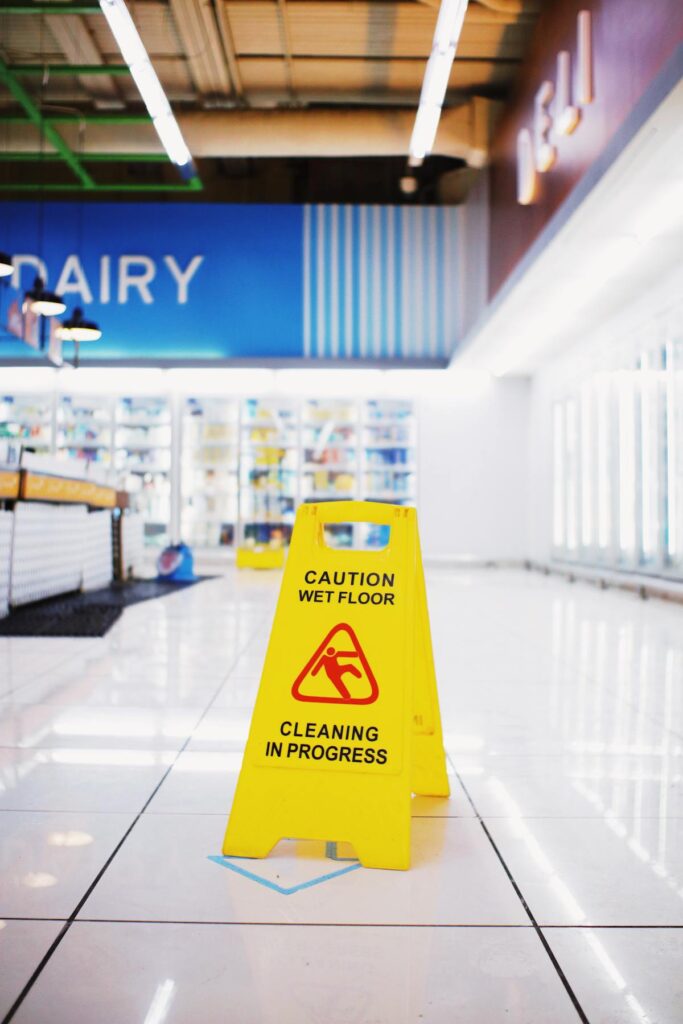
Property owners and businesses in Arizona have legal duties to keep their premises safe for visitors. When they fail to maintain safe conditions or warn of hazards, and someone gets injured as a result, they can be held liable for damages. Understanding premises liability law is crucial for anyone injured on commercial property, whether in a store, restaurant, office building, or other business location.
What Is Premises Liability?
Premises liability is a legal concept that holds property owners and occupiers responsible for injuries occurring on their property due to unsafe conditions. In Arizona, this applies to various types of properties:
- Retail stores: Grocery stores, department stores, shopping malls
- Restaurants and bars: Dining establishments, nightclubs, cafes
- Hotels and resorts: Lodging facilities throughout Phoenix and Scottsdale
- Office buildings: Commercial office spaces
- Parking lots and garages: Both public and private parking facilities
- Apartment complexes: Common areas in rental properties
- Entertainment venues: Theaters, sports arenas, concert halls
- Gyms and fitness centers: Exercise facilities
Property Owner Duties Under Arizona Law
Arizona law imposes different duties depending on the visitor’s legal status:
Invitees (Highest Duty of Care)
Who qualifies: Customers, business visitors, anyone invited for the owner’s benefit
Owner’s duties:
- Inspect property regularly for hazards
- Repair dangerous conditions promptly
- Warn of hazards that cannot be immediately fixed
- Take reasonable steps to protect against foreseeable harm
- Maintain property in reasonably safe condition
Examples: Shoppers at Costco, diners at restaurants, patients at medical offices, guests at hotels
Licensees (Moderate Duty of Care)
Who qualifies: Social guests, people with permission to be on property
Owner’s duties:
- Warn of known dangerous conditions
- Not required to inspect for hazards
- Not required to make property safe
- Must not create new hazards
Examples: Friends visiting your home, attendees at private parties
Trespassers (Limited Duty)
Who qualifies: People on property without permission
Owner’s duties:
- Cannot willfully injure trespassers
- Cannot set traps
- Limited duty to warn of hidden dangers
- Higher duty for child trespassers (attractive nuisance doctrine)
Common Premises Liability Accidents in Arizona Businesses
Slip and Fall Accidents
The most common type of premises liability claim:
- Wet floors: Spills, mopping, leaks not cleaned or marked
- Uneven surfaces: Cracked pavement, broken tiles, torn carpeting
- Poor lighting: Inadequate illumination hiding hazards
- Weather hazards: Water tracked inside during monsoons
- Debris and clutter: Items left in walkways
Trip and Fall Accidents
- Raised thresholds or floor transitions
- Loose carpeting or floor mats
- Electrical cords across walkways
- Broken or uneven stairs
- Missing or inadequate handrails
- Potholes in parking lots
Falling Objects
- Merchandise falling from shelves
- Improperly stacked items
- Ceiling tiles or fixtures falling
- Construction materials
Inadequate Security
Business owners may be liable for criminal acts on their property:
- Assaults: Attacks in parking lots or on premises
- Robberies: Crimes against customers or employees
- Sexual assaults: Attacks in poorly lit or unsecured areas
- Failure to provide security: In high-crime areas with known risks
Swimming Pool Accidents
- Drownings at hotels or apartment complexes
- Slip and falls on pool decks
- Inadequate fencing or barriers
- Missing or broken safety equipment
- Lack of lifeguards when required
Parking Lot and Garage Accidents
- Potholes causing falls or vehicle damage
- Poor lighting enabling criminal activity
- Inadequate security
- Defective parking structures
- Snow or ice not removed (rare in Phoenix but occurs)
Dog Bites on Business Property
- Attacks by dogs on commercial premises
- Business owner liability for allowing dangerous animals
- Pet stores and grooming facilities
Injured on Business Property?
Property owners and businesses must maintain safe conditions. Contact Shapiro Injury Law for a free consultation. Our Arizona premises liability attorneys will investigate your accident, gather evidence, and fight for maximum compensation. No fees unless we win.
Proving a Premises Liability Case in Arizona
To succeed in a premises liability claim, you must prove four elements:
1. Duty of Care
The property owner owed you a duty of care:
- Establish your status (invitee, licensee, or trespasser)
- Show the owner had control over the property
- Prove you were lawfully on the premises
2. Breach of Duty
The owner failed to meet their duty:
- Created the hazard: Owner or employees caused the dangerous condition
- Knew about the hazard: Actual knowledge of the danger
- Should have known: Hazard existed long enough that reasonable inspection would have discovered it
Key concept – Constructive Notice: Even if the owner didn’t actually know about the hazard, they’re liable if the condition existed long enough that they should have discovered it through reasonable inspection.
3. Causation
The breach directly caused your injuries:
- The dangerous condition caused your accident
- Your injuries resulted from the accident
- No intervening causes broke the chain of causation
4. Damages
You suffered actual harm:
- Physical injuries requiring medical treatment
- Economic losses (medical bills, lost wages)
- Non-economic damages (pain and suffering)
Evidence in Premises Liability Cases
Documenting the Accident Scene
- Photos and videos: Hazard, surrounding area, lighting conditions
- Incident reports: File report with property manager or business
- Witness information: Names and contact details of anyone who saw the accident
- Condition of hazard: How long it appeared to have existed
- Warning signs: Presence or absence of caution signs
Maintenance and Inspection Records
- Property inspection logs
- Maintenance schedules and completion records
- Prior complaints about the same hazard
- Previous accidents in the same location
- Employee training records
Surveillance Footage
- Security camera video of the accident
- Footage showing how long hazard existed
- Video of employees walking past hazard without addressing it
- Important: Request preservation immediately—footage is often deleted within days
Expert Testimony
- Safety experts: Testify about industry standards
- Building code experts: Violations of construction codes
- Security experts: Inadequate security measures
- Medical experts: Nature and extent of injuries
Defenses Property Owners Use
“Open and Obvious” Defense
Argument: The hazard was so obvious you should have seen and avoided it.
Counter: Even obvious hazards can be dangerous if unavoidable or if attention is reasonably diverted. Property owners still have duties regarding obvious hazards.
“You Were Distracted”
Argument: You weren’t paying attention (looking at phone, talking, etc.).
Counter: Property owners must anticipate that visitors may be reasonably distracted. Stores encourage browsing and looking at merchandise, not constantly watching the floor.
“Comparative Negligence”
Argument: You were partially at fault for your injuries.
Counter: Arizona’s comparative negligence law allows recovery even if partially at fault. Your compensation is reduced by your fault percentage, but you can still recover.
“We Didn’t Know About the Hazard”
Argument: The spill or hazard just happened, and we hadn’t discovered it yet.
Counter: If the hazard existed long enough that reasonable inspection would have found it, the owner is liable under “constructive notice” even without actual knowledge.
“You Were Trespassing”
Argument: You weren’t supposed to be in that area.
Counter: If the area was accessible to customers without clear restrictions, you may still qualify as an invitee. Inadequate barriers or signage don’t convert invitees to trespassers.
Compensation in Premises Liability Cases
Economic Damages
- Medical expenses: Emergency care, surgery, hospitalization, physical therapy
- Future medical costs: Ongoing treatment, rehabilitation
- Lost wages: Income lost during recovery
- Lost earning capacity: Permanent disability affecting work ability
- Property damage: Damaged clothing, phone, or other items
Non-Economic Damages
- Pain and suffering: Physical pain from injuries
- Emotional distress: Anxiety, depression, PTSD
- Loss of enjoyment of life: Inability to participate in activities
- Disfigurement: Permanent scarring or physical changes
- Loss of consortium: Impact on family relationships
Punitive Damages
Available in cases of extreme recklessness:
- Knowing about dangerous condition and ignoring it
- Repeated complaints without action
- Willful disregard for visitor safety
- Fraudulent concealment of hazards
Time Limits for Premises Liability Claims
Statute of Limitations
- Personal injury: 2 years from accident date (A.R.S. § 12-542)
- Wrongful death: 2 years from date of death
- Property damage: 2 years from damage occurrence
Government Property Claims
Injuries on government-owned property have shorter deadlines:
- Notice of claim: 180 days for most government entities
- Lawsuit filing: 1 year after claim denial
- Strict requirements: Specific information must be included
Why You Shouldn’t Wait
- Evidence disappears (surveillance footage deleted)
- Witnesses forget details
- Property conditions change
- Insurance companies become less cooperative
- Your memory of events fades
Frequently Asked Questions
What if I slipped on a wet floor but there was a caution sign?
A warning sign doesn’t automatically absolve the property owner of liability. Courts consider whether the sign was adequate, visible, and placed appropriately. If the hazard could have been eliminated (cleaned up) rather than just warned about, the owner may still be liable. Additionally, if you were reasonably distracted or the sign was inadequate, you may still recover compensation.
How long must a hazard exist before the owner is liable?
There’s no specific time requirement. Courts look at whether the hazard existed long enough that reasonable inspection would have discovered it. Factors include the owner’s inspection schedule, the location of the hazard, and how obvious it was. A spill in a high-traffic area should be discovered faster than one in a remote corner.
Can I sue if I was injured in a store’s parking lot?
Yes. Property owners are responsible for parking lots they own or control. Common parking lot claims include slip and falls from potholes, inadequate lighting enabling assaults, and poor maintenance. The same premises liability principles apply to parking areas as to the building interior.
What if the business claims they just mopped and the floor was still wet?
Businesses have a duty to either wait until floors dry, block off wet areas, or provide adequate warnings. Simply mopping and leaving the area accessible without proper warnings or barriers may constitute negligence. The business should use appropriate cleaning methods that minimize slip hazards.
Can I recover compensation if I was partially at fault?
Yes. Arizona follows pure comparative negligence, meaning you can recover even if you were 99% at fault (though your recovery would be reduced to 1%). If you were 30% at fault for not watching where you were going, you’d recover 70% of your damages. An experienced attorney can minimize your assigned fault percentage.
What if I didn’t report the accident to the business right away?
While it’s best to report immediately, failure to report doesn’t automatically bar your claim. However, it makes the case more difficult. The business may argue the accident didn’t happen or happened differently. Document everything you can and contact an attorney immediately to preserve evidence and build your case.
Contact Shapiro Injury Law today for a free consultation. Our experienced Arizona premises liability attorneys have successfully represented clients injured on business property throughout Phoenix, Scottsdale, Mesa, Tempe, and the Valley. We understand property owner duties, know how to gather evidence, and fight for maximum compensation. No fees unless we win.